
Coenzyme Q10 – usually shortened to CoQ10 – is one of the most widely used supplements in the world. Your body already makes it, so why do so many people take extra? This guide explains what CoQ10 does, why levels change with age, the difference between ubiquinone and ubiquinol, and how to take it for the best absorption.
What is CoQ10?
CoQ10 is a vitamin-like compound found in almost every cell of the body. It has two main jobs:
- Cellular energy: CoQ10 works inside the mitochondria – the “power stations” of your cells – where it helps turn food into usable energy (ATP). Organs that use a lot of energy, such as the heart and muscles, contain the highest amounts.
- Antioxidant: in its active form, CoQ10 helps protect cells from everyday oxidative stress.
Why do people take CoQ10?
- Levels decline with age. The body’s own production gradually falls from early adulthood.
- Some medicines lower it. Statins – common cholesterol medicines – reduce the body’s production of CoQ10, which is why many people taking them ask their doctor about CoQ10.
- Energy and an active lifestyle. As part of cellular energy production, it is popular with active adults and people over 40.
CoQ10 is a dietary supplement, not a treatment for any heart condition. If you have a heart condition, follow your doctor’s advice.
Ubiquinone vs ubiquinol
| Ubiquinone | Ubiquinol | |
|---|---|---|
| What it is | The oxidised form – the most common and most studied | The reduced, “active” form |
| Price | Lower | Higher |
| Notes | The body converts it to ubiquinol as needed | Sometimes preferred by older adults |
How much CoQ10 do people take?
Studies have commonly used 100mg to 200mg of CoQ10 a day, sometimes more under medical supervision. CoQ10 is fat-soluble, so it is absorbed best when taken with a meal that contains some fat. Effects build gradually – most studies ran for at least 8-12 weeks.
CoQ10 with beetroot and grape seed
CoQ10 is often combined with other ingredients popular with active people:
- Beetroot extract – a natural source of dietary nitrate, studied by sports scientists for exercise performance.
- Grape seed extract – naturally rich in antioxidant polyphenols (OPCs).
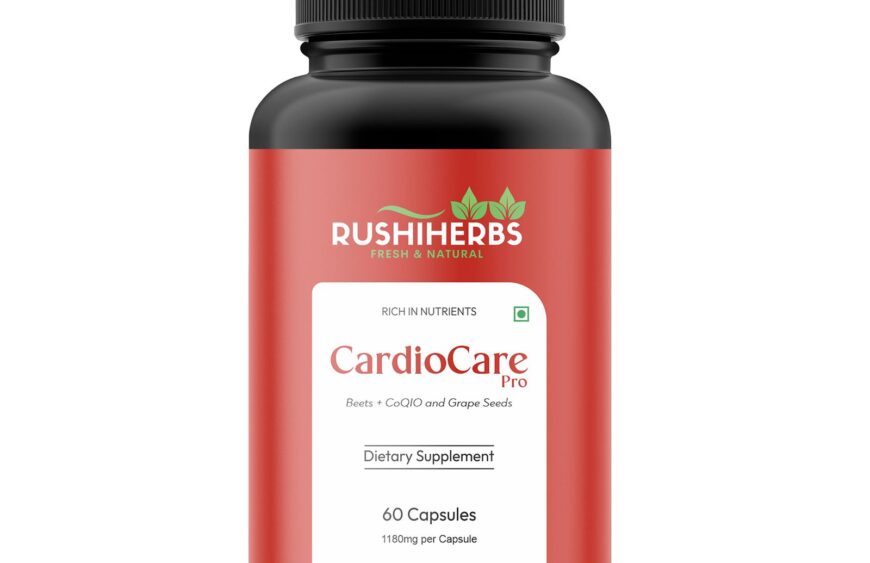
Our pick: Rushi Herbs CardioCare Pro – a 1180mg blend of beetroot extract (including extract standardized to 10% nitrate), grape seed extract and Coenzyme Q10 per 2-capsule serving, in vegan capsules, made in a GMP-compliant facility.
Side effects and who should be careful
CoQ10 is generally well tolerated. Occasional side effects include mild stomach upset or trouble sleeping if taken late in the evening.
- Warfarin and other blood thinners: CoQ10 may reduce the effect of warfarin. Do not start it without talking to your doctor.
- Blood pressure or diabetes medication: check with your doctor first.
- Pregnancy and breastfeeding: ask your doctor before use.
Frequently asked questions
When is the best time to take CoQ10?
With breakfast or lunch, alongside food that contains some fat. Some people find it slightly energising, so morning is often preferred.
Can I get CoQ10 from food?
Yes – organ meats, oily fish, meat, nuts and whole grains contain small amounts, but food provides far less than a typical supplement.
Is CoQ10 vegetarian?
CoQ10 itself is usually made by fermentation and is vegetarian. Check that the capsule shell is vegetarian too.
This article is for general information and is not medical advice. These statements have not been evaluated by the Food and Drug Administration. This product is not intended to diagnose, treat, cure, or prevent any disease. Please consult a qualified healthcare professional before starting any supplement.
About Rushi Herbs
Rushi Herbs is a herbal and nutrition brand from Gujarat, India, shipping free to the USA. Our products are made in GMP-compliant facilities, with every ingredient and dose printed on the Supplement Facts panel. Our guides are written by the Rushi Herbs team to explain ingredients in plain language - they are not a substitute for advice from your doctor.
These statements have not been evaluated by the Food and Drug Administration. This product is not intended to diagnose, treat, cure, or prevent any disease.